Yes, professional event internet providers deliver fully secure and private networks tailored to the specific needs of each event. Security is not an add-on feature — it is a core part of event connectivity design.
https://www.wifisquad.co.uk/event-internet-providers/
Modern events rely heavily on digital systems such as payment terminals, registration platforms, event apps, live streaming tools, and cloud-based software. Without strong network security, these systems can be vulnerable to cyber threats, data breaches, or performance disruptions.
Let’s explore how secure and private networks are provided at events and why they are essential.
#WhyNetworkSecurityMattersAtEvents
Events often involve sensitive information, including:
• Attendee personal data
• Payment transactions
• Corporate presentations
• Exhibitor CRM systems
• Media content uploads
• VIP guest access
If all users share a single open network, it increases the risk of:
• Unauthorized access
• Data interception
• Malware spread
• Bandwidth abuse
• Network congestion
Secure and private networks reduce these risks and protect both organizers and attendees.
#PrivateNetworkSegmentation
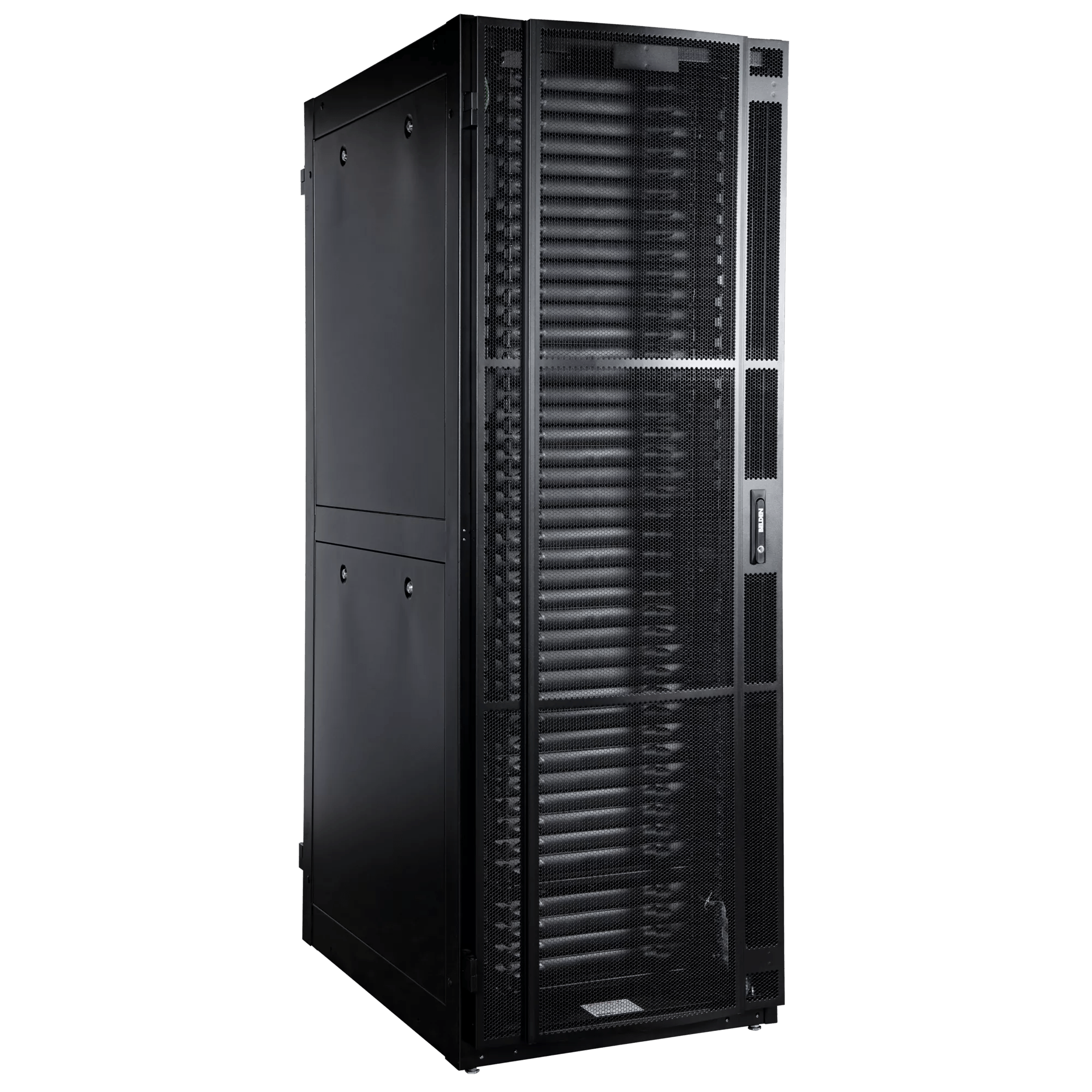


Professional event internet providers create multiple segmented networks instead of using one shared WiFi system.
Typical network separation includes:
• Public attendee WiFi
• Staff-only network
• Production and AV network
• Exhibitor private connections
• Payment terminal network
• VIP or press network
Each network operates independently using VLAN segmentation. This means traffic from one network cannot access or interfere with another.
For example, attendee browsing will never impact a live broadcast or payment system.
#EncryptedWiFiAccess
All professional event networks use secure encryption protocols to protect wireless communication.
Security measures include:
• WPA3 or WPA2 encryption
• Strong password protection
• Hidden SSIDs when required
• Captive portal authentication
• Unique login credentials
These steps prevent unauthorized users from accessing restricted networks.
#DedicatedPrivateLines
For corporate events, high-profile conferences, or financial transactions, dedicated private lines can be installed.
This may include:
• Wired Ethernet connections
• Private VLAN assignments
• Static IP addresses
• Isolated routers
• Dedicated leased lines
These connections are not shared with the public network and provide maximum reliability and security.
#FirewallAndTrafficMonitoring


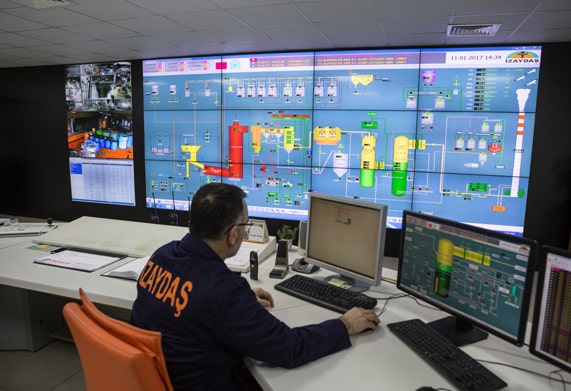
Event internet providers deploy enterprise-grade firewalls to monitor and filter traffic in real time.
Firewalls help:
• Block malicious traffic
• Prevent unauthorized access
• Control bandwidth usage
• Detect unusual activity
• Protect internal systems
Real-time monitoring allows technicians to respond immediately to any suspicious behavior.
#SecurePaymentProcessing
For events using cashless systems or card payment terminals, security is critical.
Secure networks for payment systems typically include:
• Isolated VLANs
• Encrypted connections
• PCI-compliant configurations
• Dedicated bandwidth allocation
This ensures safe and uninterrupted financial transactions throughout the event.
#SupportForCorporateVPNAccess
Many exhibitors and corporate teams need secure VPN connections to their company networks.
Private event networks support:
• Stable VPN tunnels
• Port configuration
• Static IP allocation
• Controlled firewall permissions
This allows businesses to operate securely without compromising performance.
#HybridAndBroadcastSecurity
Hybrid events and live broadcasts require dedicated secure upload connections.
Security measures may include:
• Dedicated streaming bandwidth
• Isolated production networks
• Backup failover systems
• Restricted access credentials
This ensures uninterrupted broadcasts while protecting production infrastructure.
#AccessControlAndUserManagement
Professional setups often include advanced access control features such as:
• User authentication systems
• Time-limited access credentials
• Bandwidth caps per user
• Device tracking
• Role-based permissions
This gives organizers full control over who connects and how the network is used.
#OnSiteSecurityMonitoring
Secure networks are actively monitored throughout the event. On-site technicians track:
• Connection stability
• Traffic patterns
• Security alerts
• Bandwidth usage
• Network health
If any risk or unusual activity is detected, immediate action is taken to protect the system.
#WhyNotUseOpenPublicWiFi
Open venue WiFi may be convenient but is often shared across multiple users and events.
Risks of open WiFi include:
• Weak encryption
• Limited monitoring
• Shared bandwidth congestion
• Higher vulnerability to cyber threats
Professional event networks are specifically designed to handle large crowds while maintaining strict security standards.
#FinalThoughts
Yes, secure and private networks are a standard part of professional event internet services. From VLAN segmentation and encrypted WiFi to dedicated private lines and enterprise firewalls, every layer is designed to protect data, ensure reliability, and maintain performance.
Whether your event involves corporate presentations, payment systems, live streaming, or VIP guests, secure connectivity ensures everything runs smoothly and safely.
In today’s digital event environment, network security is not optional — it is essential.